Cooke City Forest Project Moves Forward
We were notified last week by the District Ranger in Gardiner with an update on the Cooke City forest health and fuels project. While it isn’t everything we hoped for, it’s clear our voices shaped the outcome.
After widespread community input, along with legal and scientific guidance, the Forest Service withdrew its previous decision and issued a modified plan under a new Finding of No Significant Impact. Key changes include:
Over 400 acres dropped from logging across units 28, 29, 30, 79B, 82, 83, and 105B, to support a long-term whitebark pine study with the Rocky Mountain Research Station
Planned commercial logging canceled in Unit 42, south of Highway 212
Thank you to everyone who wrote, called, showed up to public meetings, and joined us as we contemplated this project out on the land. A special thank you to leading whitebark pine experts, our regional conservation partners, and community advocates whose deep ecological knowledge and persistence brought critical science on this vulnerable species to the forefront of project planning.
We recognize the necessity of meaningful wildfire risk reduction around our communities. At the same time, there are real concerns remaining about how commercial logging at this scale, and fuel management without prescribed fire, will affect our forests, headwaters, and communities, both human and wild. We want to be sure the right management tools are being used in the right places.
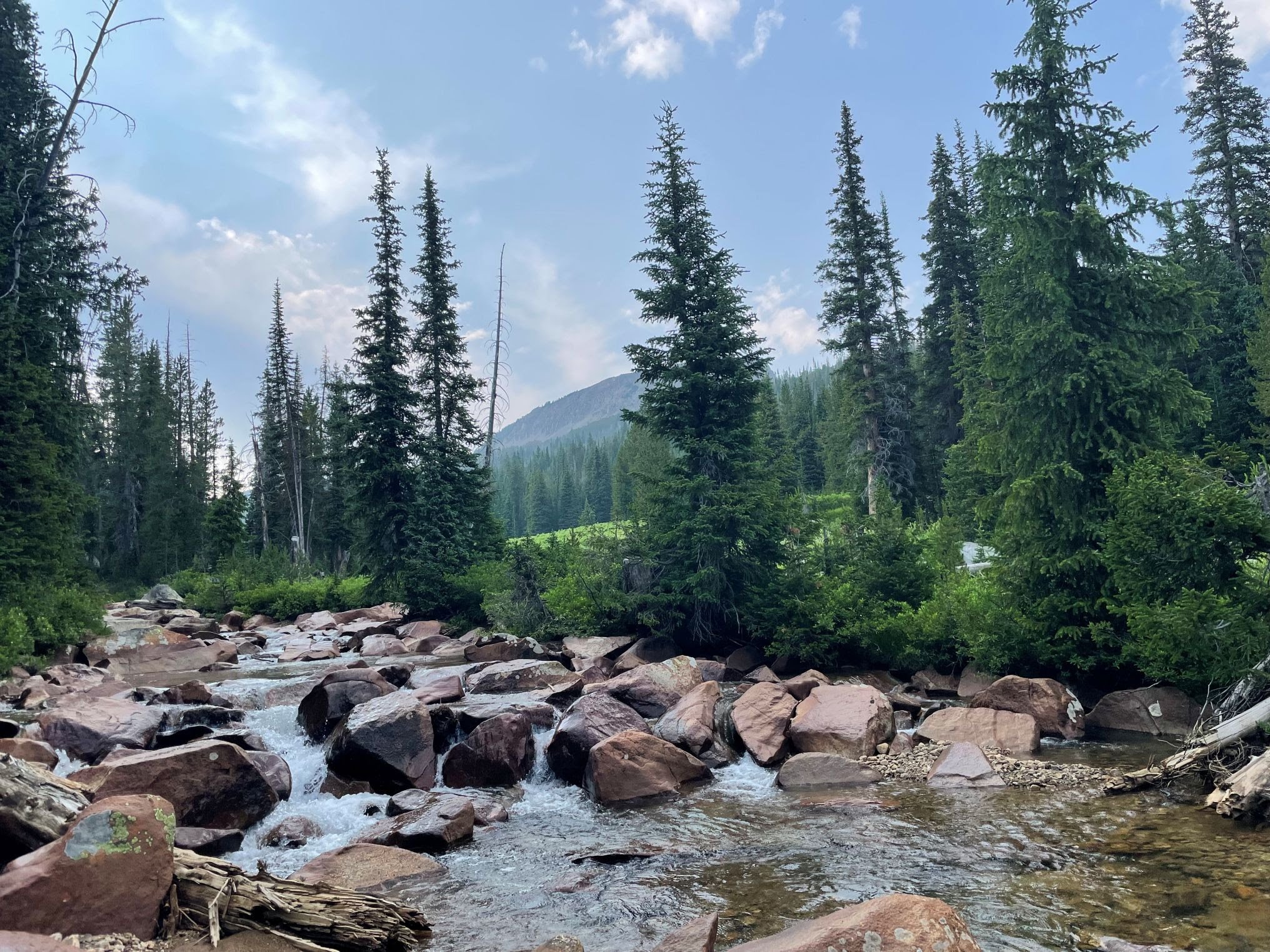
In our public comments we urged the Forest Service to protect the sensitive, north-facing slopes south of Highway 212. This area serves as an important wildlife corridor for grizzly bears, lynx, and wolverines, functions as vital climate refugia, and naturally resisted the historic 1988 fires.
We know this is hard. Watching the forests we love change brings anxiety and mixed emotions, and a partial decision doesn’t make that go away. Over 400 acres are now set aside for a whitebark pine study, thanks to community members and experts who cared deeply and brought scientific evidence to the process.
The formal public comment period is closed, but our work doesn’t end here. We will continue to ask the Forest Service for stronger habitat protections for species at risk, robust climate and fire refugia research, expanded use of prescribed fire to safely reduce wildfire risk, and the formalization of community-led stewardship.
Looking ahead, please watch for opportunities to participate in the Community Wildfire Protection Plan and push for a proactive Travel Management Plan. Both will be critical in guiding long-term decisions for our surrounding public lands.
We’d love to hear what you think about these latest updates. Please feel free to reply with any thoughts or questions. This work is only as strong as the community that shows up to shape it. Thank you for showing up.