Proposed Grizzly Rule Changes: What It Means for Park County
Last week the United States Fish & Wildlife Service (USFWS) proposed major rule changes to transfer grizzly bear management over to state authorities. Join our community in submitting a comment to USFWS before August 17th to protect local resources and support connected, regional recovery.
Many of us have neighbors, friends, and family who run local businesses, manage working lands, or serve with Montana Fish, Wildlife & Parks (FWP) and USFWS. We see the hard, quiet work being done every day to keep both people and bears safe.
The recovery of the grizzly bear in the Greater Yellowstone Ecosystem is one of the greatest conservation success stories in North America, made possible by decades of dedication from Indigenous stewards, university researchers, agency field staff, biologists, policymakers, non-profits, and our local landowners and community members. Grizzly numbers have increased thanks to this hard work.
The USFWS recently proposed major rule changes to transfer grizzly bear management over to state authorities. As a community living alongside grizzlies, our initial review of this proposal leaves us with some concerns and more questions than answers.
Our early review of the text shows that the proposed 4(d) rule change relaxes core protections and hands daily management to state agencies, while leaving critical enforcement details to future agreements made without public oversight. While grizzlies would technically remain listed as threatened, this shift expands state trapping and lethal removals, and paves the way for full delisting. We are concerned these changes could cut off the federal grant funding that pays for on-the-ground conflict prevention and destabilizes the cross-boundary management required for true, regional recovery.
To continue the success of long term recovery efforts—which are needed to reconnect Yellowstone and Glacier grizzly populations—our community and land managers need dependable resources and a transparent process, which this proposal does not appear to support.
The Local Impact
How we choose to live alongside grizzly bears reflects our community’s character and values. As an indicator species, grizzlies are a living measure of the health of our wild and working lands. Where bears can move and thrive, our rivers, forests, and rural communities and economies do too.
The economic balance of living alongside grizzlies in Park County is profound. Wildlife viewing in the Greater Yellowstone Ecosystem drives over $580 million in annual economic activity for gateway businesses, outfitters, lodging, and retail. At the same time, our agricultural community neighbors absorb the daily operational risk, property damage, and livestock losses of living alongside those same bears. Montana already faces an estimated $15+ million annual shortfall for non-lethal tools like range riders and electric fencing, which have proven successful.
Out of a record high 72 grizzly bear mortalities in the Greater Yellowstone area in 2025, two-thirds were human related, either through self defense, collisions with vehicles or lethal removal by agencies. This is not a sustainable trend for long-term recovery. With the proposed rule easing the restrictions for incidental taking of grizzly bears, we fear the impact could set recovery back even further.
A Better Path Forward
Long-term recovery succeeds when local communities and Tribal leadership drive decision-making, backed by the support and safeguards of state and federal systems. Combining Indigenous ecological knowledge with the hands-on expertise of local landowners, biologists, and FWP field staff creates a safety net where both wild places and working ranches can thrive. Rules expanding state lethal take simply cannot achieve anything close.
Learn more about the vision of Tribal co-management of grizzlies by exploring the monumental 2016 Grizzly Bear Treaty signed by over 170 Sovereign Nations.
Take Action Before August 17th
What our community and Park County grizzlies need is a permanent federal commitment that legally protects Yellowstone grizzly bears, keeps management grounded in field ecology, and guarantees true co-management.
Please take five minutes to submit a public comment to USFWS about what you believe Park County grizzlies and communities need to thrive by August 17th.
Between now and then, PCEC’s team will be diving deep into the details and connecting with community partners and landowners on the ground to generate sound comments and find the best path forward. Stay tuned for more information.
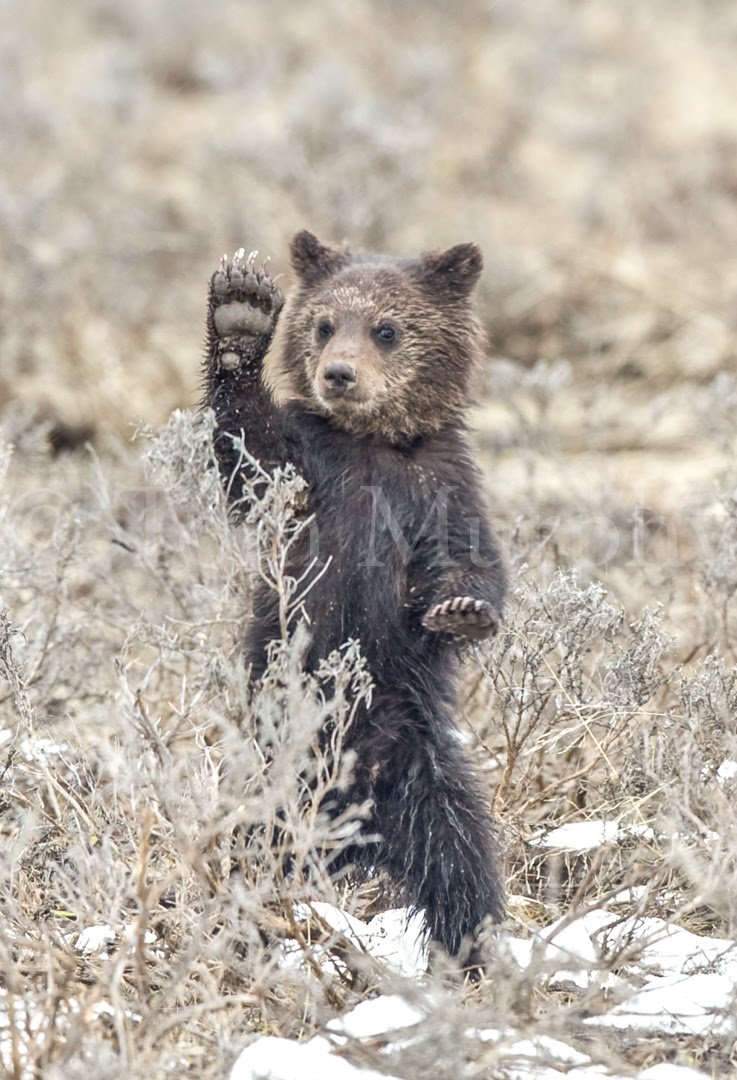
Photo taken by Tom Murphy