Emigrant Gravel Pit and the State of Open Cut Mining in Montana
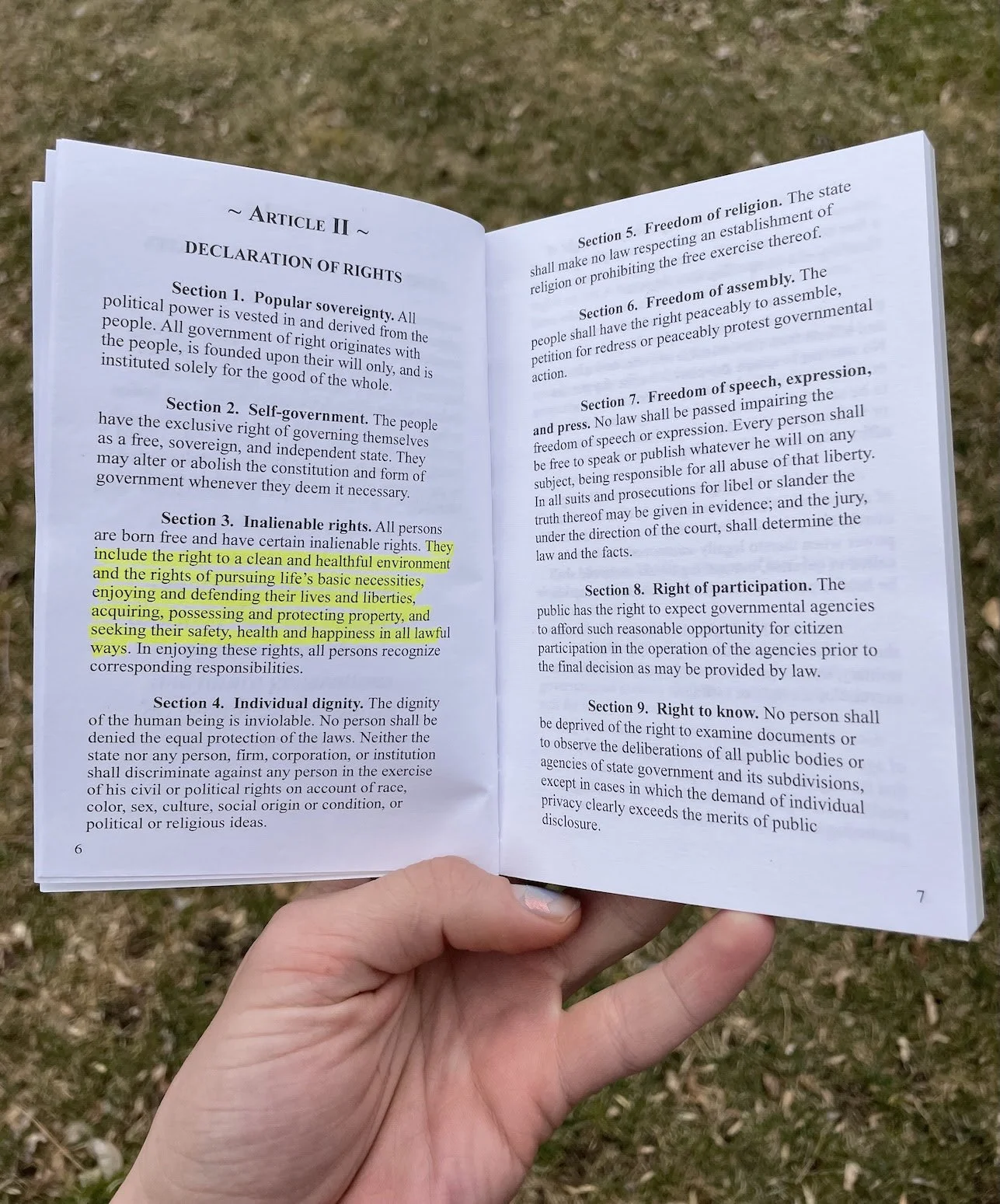
I was recently gifted one of those tiny, pocket-sized copies of the Montana and U.S. Constitutions all wrapped into one. It’s small enough to tuck into a jacket, but holding it feels incredibly heavy in the best way - the collective weight of our rights. It’s a constant reminder that, in Montana, our right to a clean and healthful environment and our right to participate in the decisions that shape our lives aren't just abstract ideas, they are our inheritance.
This inheritance, means taking action!
The Time to Act is Now
1. Email the Board of Land Commissioners and the DNRC about Emigrant.
2. Submit formal comments to the DEQ about Opencut Mine Permits.
3. Attend our in-person comment writing session on March 19th.
Continue reading for details on how to learn more and take action!
Community Conversation: Emigrant Gravel Pit and the State of Open Cut Mining in Montana
Last week, we hosted a Community Conversation with Anne Hedges, Executive Director of the Montana Environmental Information Center, and Park County resident Gayla Nicholson. As a land owner on the Clearwater River, Gayla is working to protect that area from a gravel pit similar to the one proposed for Section 22, just north of Emigrant. If you missed the live discussion, the recording is available now. It serves as a powerful reminder that our rights aren't just words on a page, they are the very tools we must use to protect Section 22 from industrial extraction.
During the discussion, both Anne and Gayla reminded us that the time to act on the proposed gravel pit is right now, while we still have the advantage of being early in the leasing process. Anne laid out the stark reality of how laws like House Bill 599 (signed into law May 2021) have turned the permitting of dryland gravel pits into a "check the box" exercise that ignores the actual ground beneath our feet and the air we breathe. Under these rules, if a company claims they will not encounter water, the state essentially hands over a permit with almost no site-specific analysis and a public comment window of just 15 days.
Serving as a migration corridor, a grazing resource for an adjacent ranch, and a popular site for public land recreation, the intact grasslands of Section 22 force us to define our values. At what point do we stop treating our landscape as a transaction and start protecting it as a right that cannot be sold? While our community already has existing gravel operations, this proposal is a massive departure from those local efforts; it is an intact public resource being converted into profits for an out-of-town industry giant like Riverside Contracting.
Because the Land Board and the DNRC view these trust lands through a transactional lens, the value of Section 22 is being appraised based on its extractive potential for the University of Montana’s trust fund, rather than its ecological or community worth. The benefits to our local economy from this arrangement are thin and vague, but the loss of our shared landscape is both immense and tangible.
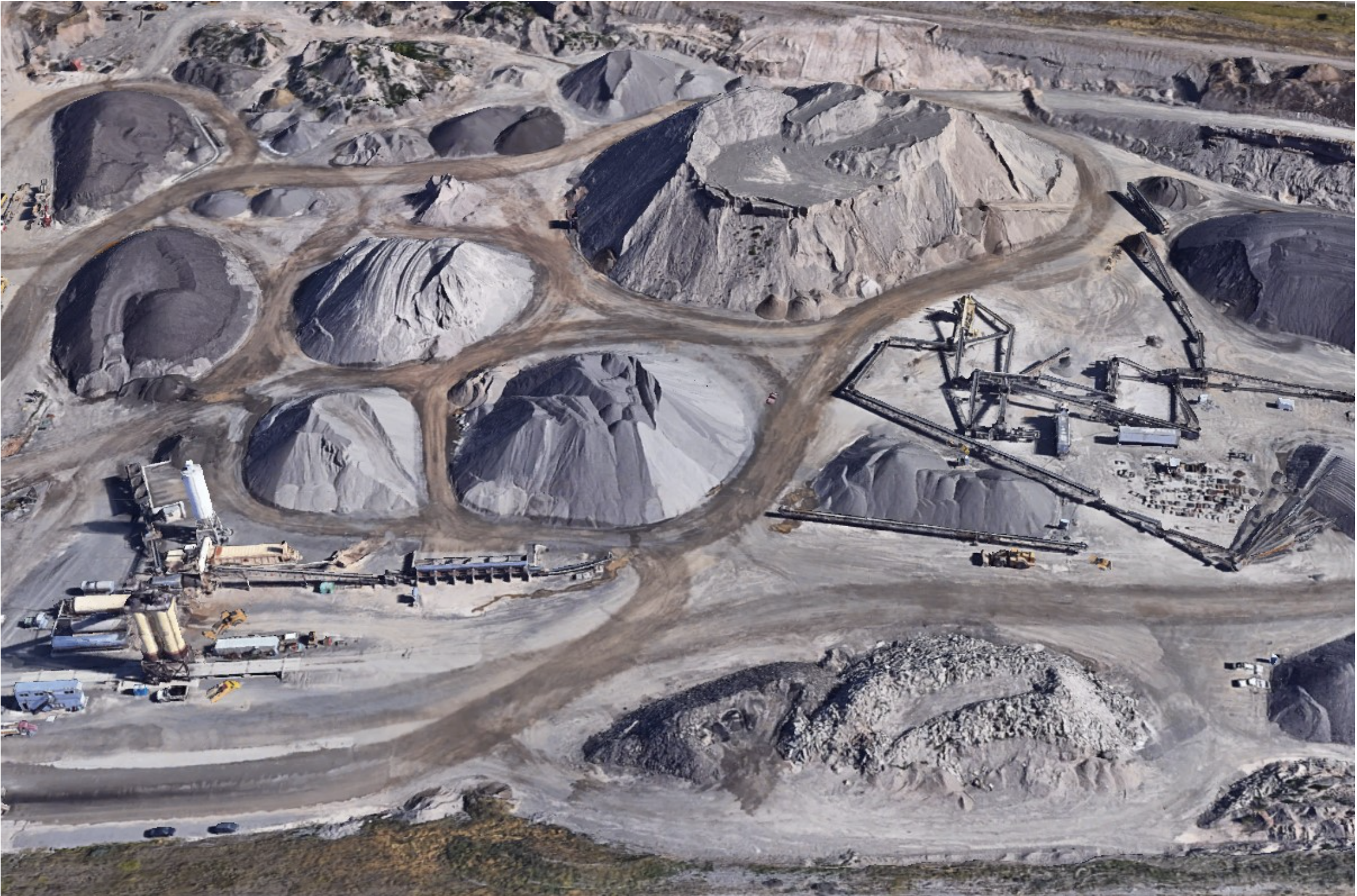
The consequences of a pit this size extend far beyond the property line. When the wind picks up, dust particulates from the site will migrate across the landscape, into people's homes, and settle into the Yellowstone River. We are working to stop this gravel operation because the ecosystem integrity of Park County and loss of public lands should not be sacrificed for industrial gain.
Please take a moment to email the Board of Land Commissioners and the Department of Natural Resources and Conservation. Remind them that Paradise Valley is an inheritance to be protected for future generations, not a resource to be extracted for an out-of-town profit margin. Let them know we value our clean air, our intact grasslands, and our right to be included in the decision-making process.
And if you want to do this together, join us March 19th 5pm in our offices - more details below!
The most important thing you can do right now is weigh in!
Email the Land Board: landboard@mt.gov
Email the DNRC: DNRCEmigrantGravel@mt.gov
MTDEQ Dryland Opencut Mine Permits are Changing: Your comments are needed!
Adding to the urgency, the Montana DEQ put forward a plan on February 19th that will change how they permit dryland mines across the state. This proposal moves away from individual site analysis, opting instead for a generalized "Programmatic Environmental Assessment" that creates a one-size-fits-all checklist for future mines under 50 acres. Instead of looking at the unique geography of a location, the DEQ wants to use a rubber-stamp approach to move permits along faster.
With the DEQ's formal public comment period open now, we have a clear opportunity to act. We must remind the state that a simple checklist cannot replace the environmental protections guaranteed by our constitution. Let’s make it clear: we expect real oversight, robust public engagement, and we won't stand by while our public lands are handed over for industrial profit at the cost of our clean and healthful environment.
Comment Period Closes: March 23, 2026, at 11:59 PM
Submit Digital Comments To: DEQOpencut@mt.gov
(Please include “Programmatic EA” in the subject of your email)
Submit Written Comments To:
Opencut Section
Department of Environmental Quality
P.O. Box 200901
Helena, MT 59620-0901
Join PCEC to learn more and help draft comments
Next week, you can join PCEC and your neighbors to review updated maps and help us draft impactful comments. This is our chance to address the future of Section 22 and the proposed changes to Dryland Opencut Mining Permits.
In-Person Public Comment Session
When: Thursday, March 19th | 5:00 PM – 6:30 PM
Where: Lincoln School, Room #305
We have the tools, and as that little book in my pocket says, we have the right to protect it. Let’s get to work.