Protecting Park County's Water: A Critical Moment for Our Community
We need your help defending our waters from industrial pollution! The EPA has proposed changes to Section 401 of the Clean Water Act that would curtail state and Tribal authority to restrict development projects through water quality permitting.
Weakening the Clean Water Act directly undermines the ability of communities to protect local waters, and your voice is the most effective tool we have to stop these changes. Please join us Thursday, February 12th, at the Lincoln School to draft and submit your public comment. The EPA is accepting comments on these proposed changes until February 17th.
Take Action with Us!
We are hosting a PLAN Public Comment Writing Meet-Up to help our community navigate these technical changes and submit impactful letters together.
When: February 12, 2026, at 6:00 PM
Where: Lincoln School, Rooms 305/306
What to bring: Your laptop (if you don’t have one, let us know - we will accommodate you!)
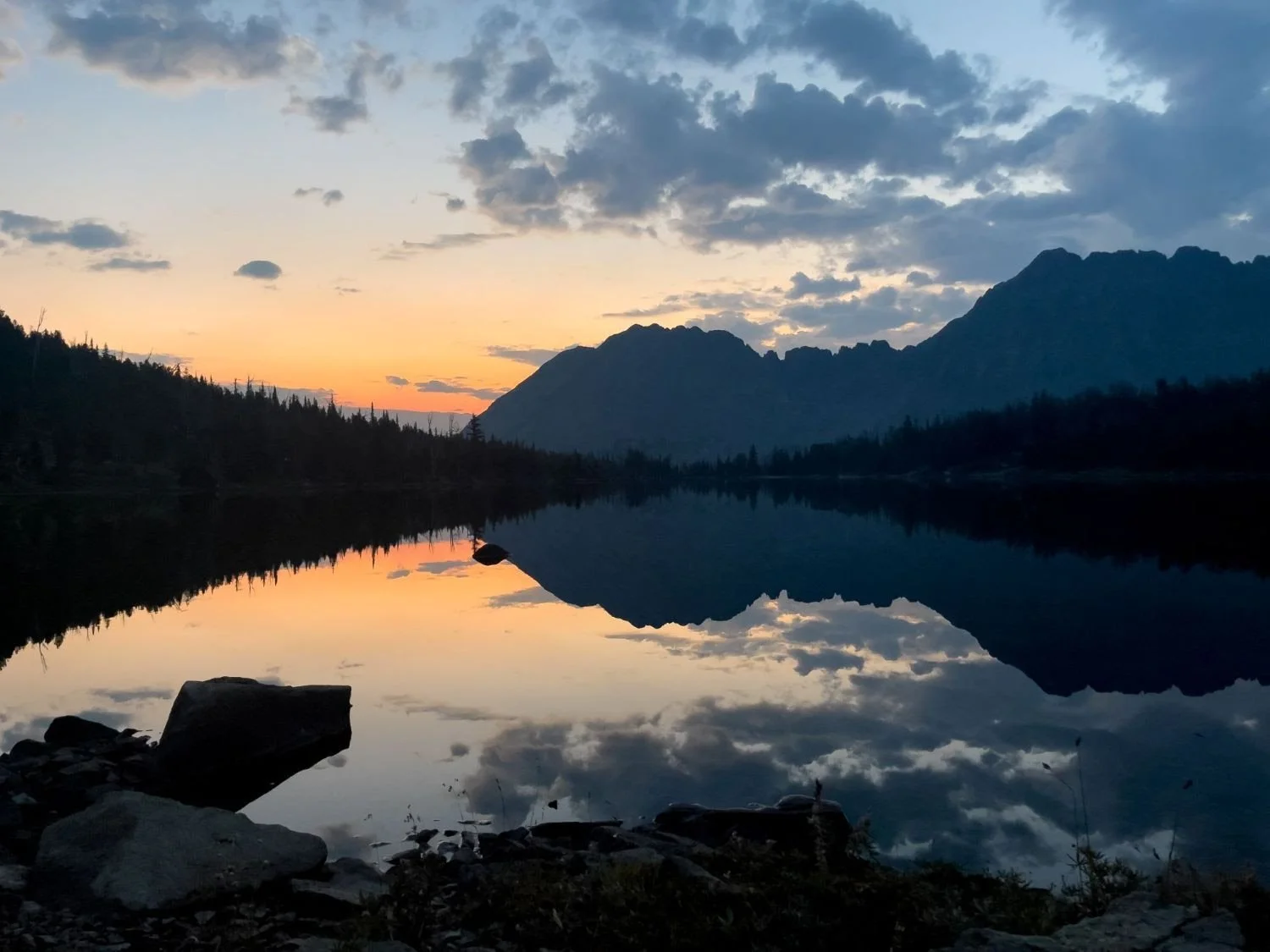
Protecting what matters. Campfire lake at sunset, Crazy Mountains.
What are the proposed changes to the Clean Water Act and Section 401?
Section 401 of the Clean Water Act is a "look-before-you-leap" law. It gives states and Tribes the power to review federal projects (like pipelines and dams) and set conditions to protect local water. New proposed changes by the EPA seek to turn this powerful protection into a "check-the-box" administrative exercise.
Breakdown of Key Changes:
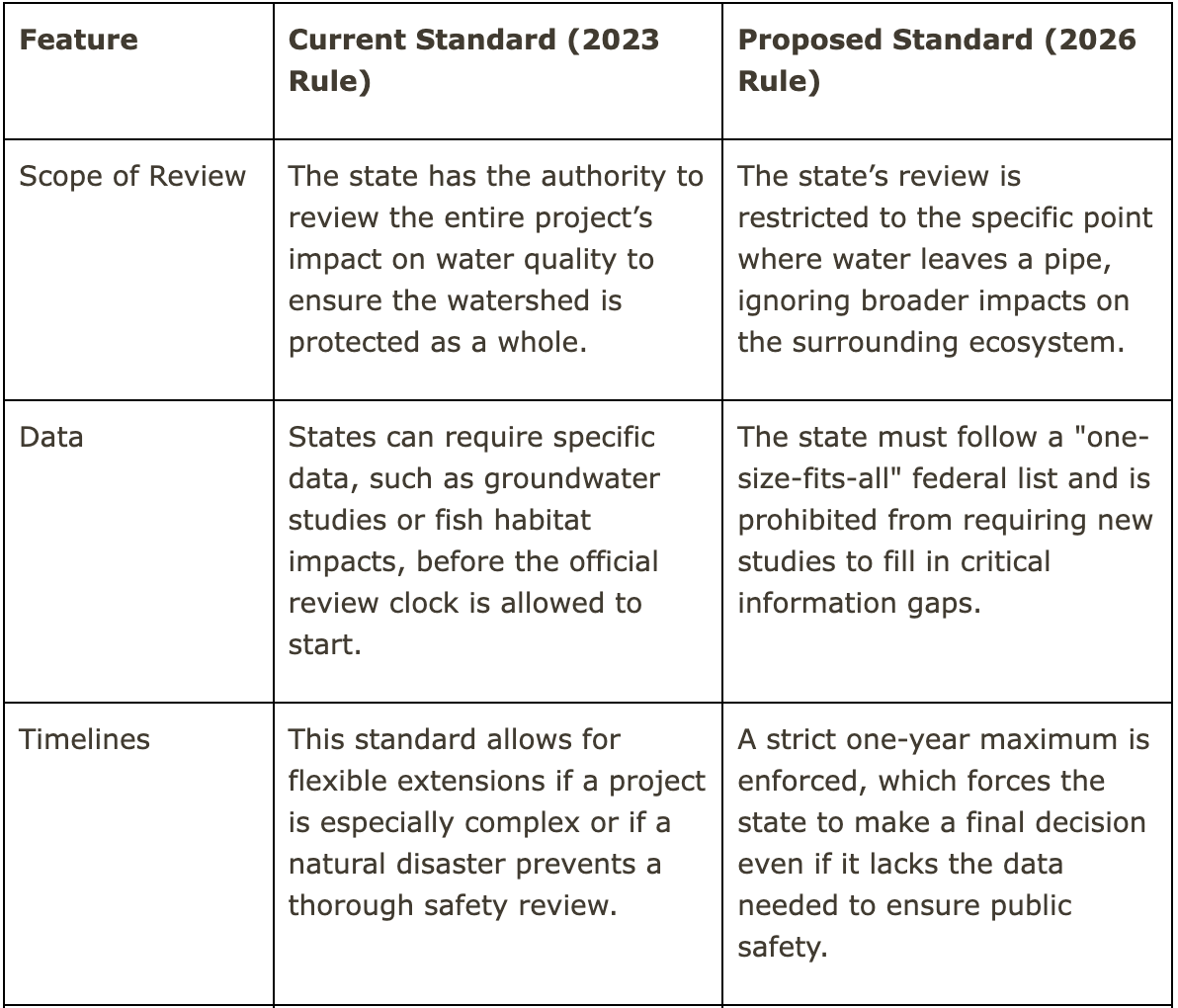
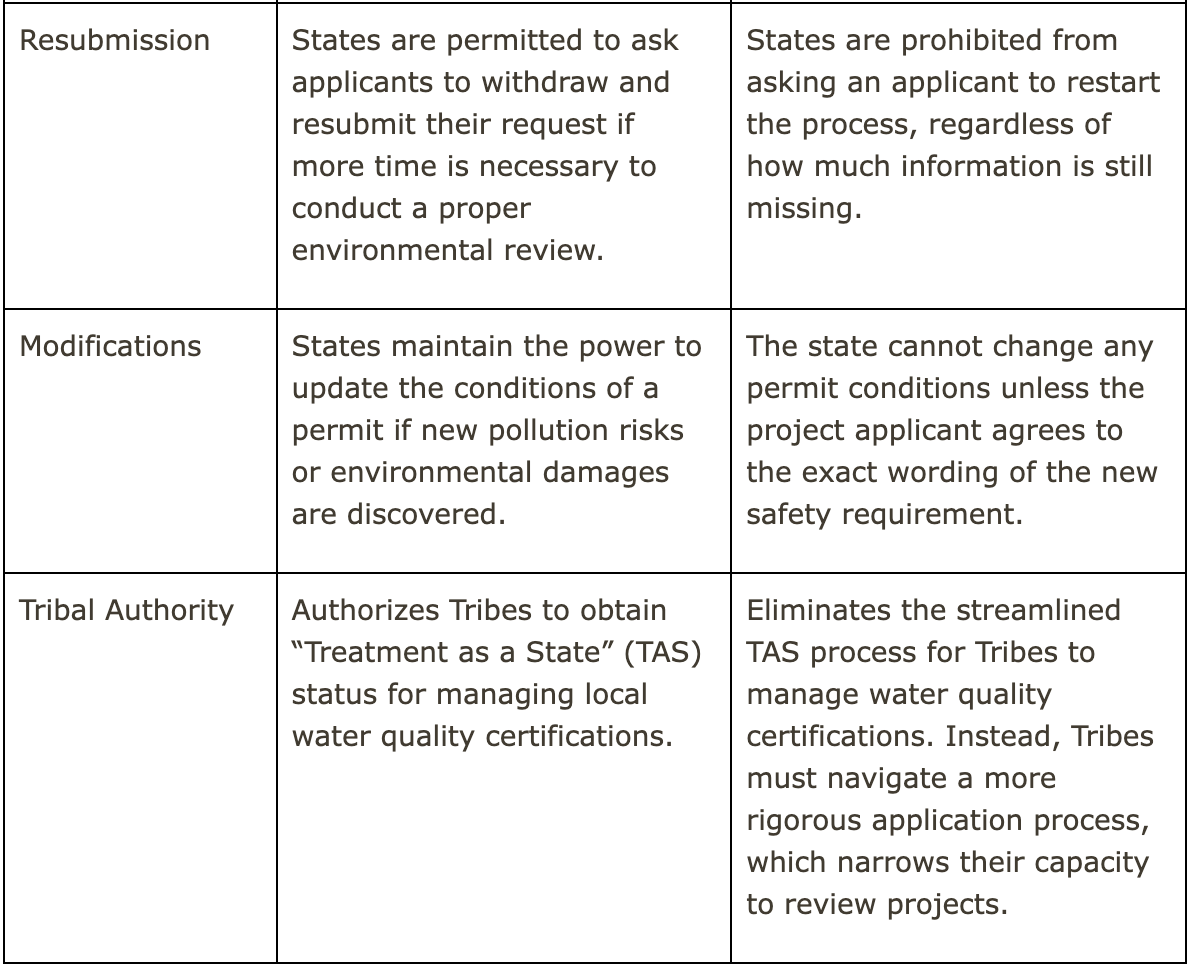
Ultimately, the federal government is attempting to fast-track industrial access by stripping Montana (and every state) of its authority to pause projects for deeper, local study, through several proposed regulatory rule changes happening right now. This has the potential to create a rubber-stamp environment through a dangerous triple-threat:
The proposed repeal of the Roadless Rule physically opens up millions of acres of currently protected public lands to industrial development.
New federal oil, gas, and mineral leasing coordination streamlines the paperwork, bypassing the robust local consultation that usually happens before a lease is signed.
By narrowing state review authority with the Clean Water Act, the EPA ensures that even if Montana identifies a threat to our complex local water system, we are legally barred from stopping it.
If the law ignores how pollution actually moves, the financial and environmental costs of future cleanups will shift away from the polluters and fall directly on the residents of Park County.
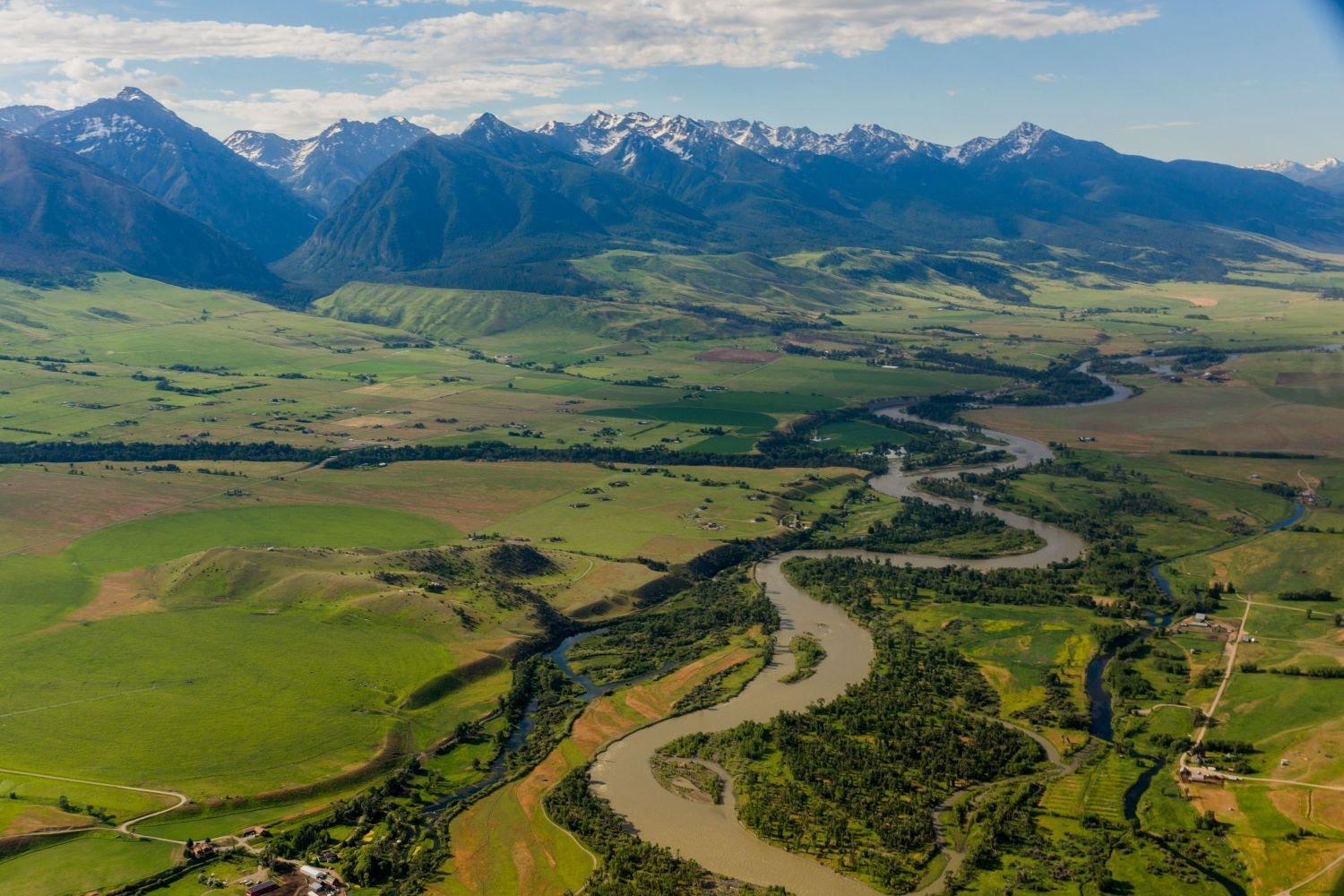
Preserving the legacy: Paradise valley from an Eco Flight. We're fighting to keep Montana's authority intact so that 'Paradise' remains more than just a name.
Why Your Voice Matters
Section 401 of the Clean Water Act was created to give states and Tribes the power to protect their water from large federal projects. This system lets local communities stay in control of their own natural resources. It allows Montana to require protective conditions that prevent water quality harm or to deny certification for projects that would violate established standards.
This authority does not exist to ban projects; rather, it ensures they are designed and operated in a way that protects both water quality and public health.
Weakening this rule makes it much harder for communities like ours to protect our streams. Once waterways are polluted, cleanup is often expensive, difficult, or impossible. Section 401 is about stopping damage before it starts. We must act now to protect our right to make local water quality decisions.
History has shown us that the power of people can drive real change.
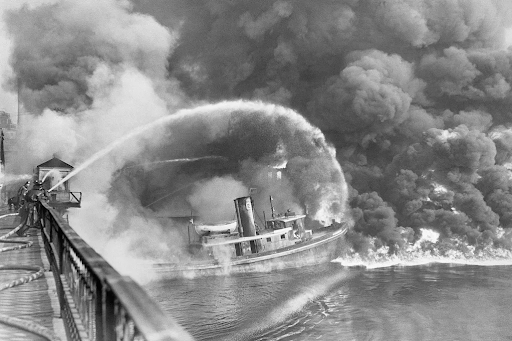
Original Caption: Firemen stand on a bridge over the Cuyahoga River to spray water on the tug Arizona, as a fire, started in an oil slick on the river, sweeps the docks at the Great Lakes Towing Company site in Cleveland Nov., 1st. The blaze destroyed three tugs, three buildings, and the ship repair yards.
Bettmann / Contributor via Getty Images
In 1969, Ohio’s Cuyahoga River was so fouled by industrial pollution that it caught fire over a dozen times. The public outcry sparked by images of a burning river spurred Congress to pass the landmark Clean Water Act in 1972. Its mission was clear: to restore and maintain the chemical, physical, and biological integrity of our nation’s waters. While 1969 was not the first time the river burned, people rallied together to ensure it was the last.
Today, we are seeing a strong effort to weaken these foundational safeguards.
The January 2026 proposal creates a dangerous blind spot by limiting state review to specific "point source" pipes. While the 2023 rule allows Montana to examine a project’s total environmental footprint, this new shift ignores how pollution actually moves through soil and seasonal streams. By focusing only on the end of a pipe, the EPA would effectively prohibit the state from stopping pollution that leaks through the ground.This is even more dangerous now that many seasonal streams have lost federal protection through the narrowing of “Waters of the United States” (WOTUS).
We must act now to ensure federal permitting decisions do not override local water quality concerns. Please join us in submitting a public comment to Docket ID No. EPA-HQ-OW-2025-2929 at regulations.gov. Your comments must be submitted by February 17, 2026 to be part of the official record.
We are actively working to create more opportunities for you to learn and engage because your voice is the legal shield for our land and water. Please let us know if you can join us on the 12th!