Changes to the ESA & Public Lands Action
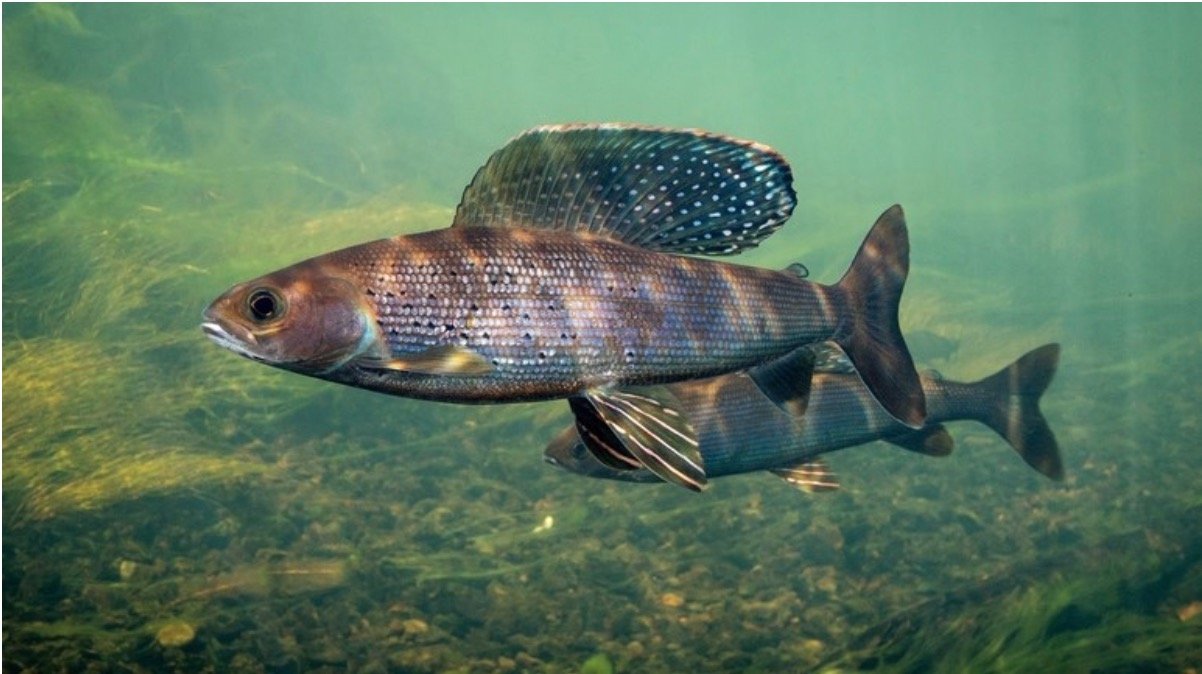
Arctic Grayling likely to be listed as threatened due to habitat loss and degradation. Photo by Ryan Hagerty, U.S. Fish and Wildlife Service
We are reaching out regarding a regulatory proposal that will impact how the Endangered Species Act (ESA) is implemented in Montana and nationally. This change poses a long-term risk to local wildlife, current regulatory certainty, and the fiscal strain and inefficiency that will be placed on state agencies and private landowners.
The U.S. Fish and Wildlife Service (USFWS) is proposing to rescind a foundational element of the ESA known as the 4(d) “Blanket Rule”. This proposal significantly weakens the legal safety net for federally threatened species—and we have less than two weeks to ensure our community's commitment to healthy landscapes, wildlife, and sound administrative process is heard.
Please read more below to learn why this rule is essential for consistency and clarity in regulation, to prevent unnecessary financial burdens to private landowners and the State, and prevent a detrimental gap in protections.
We urge you to submit a personalized comment before the deadline on December 22nd. Talking points provided below to help!
The Public Lands Action Network (PLAN) is kicking off at the beginning of the year!
We invite you to be part of a dedicated community! Starting in January, our regular gatherings will serve as a hub for learning, discussion, and building local power around the critical issues facing our public lands. Join the Public Lands Action Network (PLAN) today, this is your chance to stay fully informed and actively engage.
Thank you for protecting the incredible wildlife and public lands that help define the unique spirit of Park County.

Key Points to Include in Your Comment
Identify yourself as a Park County, MT resident whose community relies on the health of the whole GYE ecosystem.
Demand that the USFWS retain the general 4(d) Blanket Rule to prevent a prolonged protection gap and the resulting financial uncertainty for regulated entities.
Stress that retaining the Blanket Rule is the necessary, most efficient, and cost-effective administrative step because it rapidly transitions to the species-specific, 4(d) rules that promote regulatory certainty for all stakeholders.
State your concern that this change will create unnecessary legal and financial burdens on private landowners and the State of Montana due to case-by-case litigation during the years-long rule-making delay.
Submit Your Comment by December 22, 2025 or send a letter: Submit by U.S. mail to: Public Comments Processing, Attn: FWS-HQ-ES-2025-0029, U.S. Fish and Wildlife Service, MS: PRB/3W, 5275 Leesburg Pike, Falls Church, VA 22041-3803.
ESA 101
The 4(d) Blanket Rule has been a recurrent point of regulatory debate over the last few years. To clarify the current proposal, we must first understand the ESA classifications:
Endangered status is assigned when a species is in danger of extinction now, meaning it automatically receives the strictest protections against take (harm or destruction to habitat).
Threatened status is assigned when a species is likely to become Endangered in the foreseeable future, and its protections are granted via the Section 4(d) rules.
The Foundation of Protection
The 4(d) Blanket Rule serves as the essential administrative safety net once a threat has been legally identified. It immediately applies standard protection against harm, which is necessary to buy the USFWS time—typically one to five years—to research, debate, and finalize a tailored, species-specific recovery plan. It is the only administratively efficient tool that allows the agency to meet its legal mandate of protecting a species while simultaneously conducting the necessary research and stakeholder engagement for a tailored rule.
The Blanket Rule guarantees that the agency can prioritize the development of a specific 4(d) rule that is designed to accommodate local land use exemptions where possible (like those provided for ranching or forestry) while still conserving the species.
Immediate certainty under the Blanket Rule provides the foundation from which USFWS can rapidly engage with private landowners to develop the tailored exemptions and voluntary incentives that actually drive long-term recovery, rather than leaving a vacuum of liability that discourages good-faith actors.
Grizzly Bear, Bull Trout, Whitebark Pine, & Canada Lynx – are currently protected under the 4(d) rule with their species specific recovery plan. Initial protection is a necessary step toward a comprehensive regulatory framework. The immediate threat is not to these species' existing rules, but to the legal mechanism that secured that essential transition period for them. The proposal attempts to discard the legal structure that currently provides the most efficient route to regulatory certainty.
Removing this safety net without a clear, tested, and proved path forward is a huge disservice to the successful conservation work, investments, and regulatory frameworks that have already been established.
What the Protection Gap Actually Means on the Ground
An argument for the proposed change is to create more flexibility for landowners; however, removing the Blanket Rule does not grant immediate flexibility; it creates prolonged, unpredictable legal risk that will leave many projects at risk of costly litigation, significant delays, and potential violation of other environmental regulations.
A newly listed Threatened species is scientifically recognized as nearing extinction, yet it will be left defenseless. This puts the species at risk, and also for those required to comply with the ESA, it means:
There is no immediate, clear federal standard for what constitutes legal or illegal activity near the species' habitat.
Private landowners are left waiting for a new rule—a delay that can last one to five years—and during that period, they face potential liability under other environmental laws or citizen lawsuits challenging their activities on a case-by-case basis.
This immense ambiguity creates an unfunded financial burden on both private entities and the state that is not clearly defined or addressed in the new proposal.
This legal loophole creates a critical gap in the required Section 7 interagency consultation process. During the years-long delay, federal actions—such as infrastructure projects, land management activities, or resource extraction permits—will proceed without being legally required to mitigate their impacts on a newly listed threatened species, increasing the likelihood of costly litigation.
The proposed change creates a critical protection gap for species listed in the future. This mandatory delay severely increases the financial and regulatory risk for everyone involved, including the regulated community that wants clear rules.
Species Exposed to Mandatory Delay
The most severe threat is to any new species listed as Threatened after this rule change takes effect, such as the Wolverine, Western Bumble Bee, or a high-priority candidate fish like the Arctic Grayling. These populations will face a mandatory protection gap between their official listing and the creation of a species-specific 4(d) rule.
The removal of the 4(d) Blanket Rule risks the loss of vital ecological functions before comprehensive conservation plans can even be put in place, forcing the government to play costly catch-up later.
We know the Western Bumble Bee's pollination services contribute billions of dollars to our food system and the Arctic Grayling indicates the health of our vital waterways. The catastrophic ripple effect on our entire system when these sensitive species disappear is a danger we cannot fully predict or afford!